
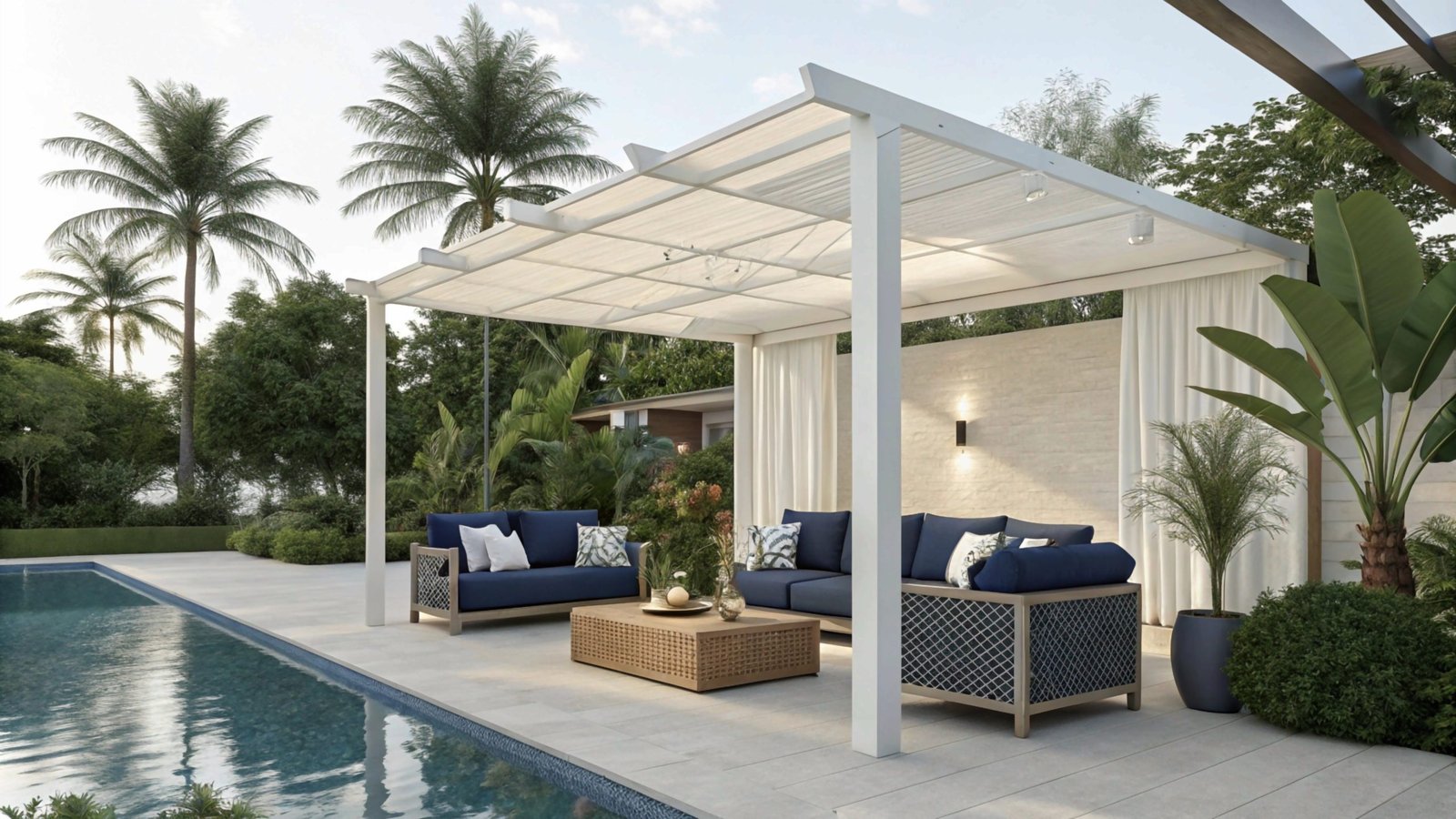
Choosing the Right Pergola for Your Home
A pergola is more than just a structure in your backyard. When designed well, it becomes an extension of your home — a place to relax, entertain, and enjoy the outdoors while still being protected from the elements.
Choosing the right pergola involves balancing aesthetics, functionality, and durability. Here are the key factors to consider when selecting a pergola for your home.
Start with How You Want to Use the Space
Before deciding on materials or styles, think about how you want to use your pergola.
Some homeowners want a shaded outdoor dining area, while others want a quiet space to relax with a book. Pergolas are also commonly designed to cover outdoor kitchens, spas, or poolside lounges.
Understanding the purpose of the space will influence the size, layout, and roof style of the pergola.
Choosing the Right Pergola Style
Pergolas come in a wide range of architectural styles, from classic timber structures to modern designs with sleek metal framing.
Traditional pergolas feature exposed beams and open rafters, creating filtered shade while allowing air to circulate. These work beautifully with climbing plants such as wisteria or grape vines.
Modern pergolas often incorporate flat roofs, insulated panels, or adjustable louvres that allow you to control sunlight and ventilation throughout the day.
The best choice will depend on the style of your home and how integrated you want the pergola to feel with the existing architecture.
Materials Matter
Pergolas can be built from several materials, each offering different benefits.
Timber pergolas provide warmth and a natural aesthetic that works particularly well in garden settings. Hardwood species offer durability but require periodic maintenance.
Steel or aluminium pergolas create a clean, contemporary look and require very little maintenance. Powder-coated finishes can also match roof and gutter colours for a cohesive appearance.
Hybrid designs, combining timber with steel framing, are also becoming increasingly popular because they offer both strength and visual warmth.
Consider Sun, Shade and Orientation
In Australia, sun exposure is an important factor when designing outdoor spaces.
A pergola should ideally be positioned to provide shade during the hottest parts of the day, particularly on western sides of the home where afternoon sun can be intense.
Roof options such as slatted beams, polycarbonate panels, insulated roofing, or adjustable louvres can help manage sunlight while still keeping the area bright and inviting.
Integration with Your Deck or Patio
Pergolas work best when they feel like a natural extension of the outdoor living area.
Many homeowners choose to install pergolas over decks to create a defined outdoor room. This can transform a simple deck into a versatile entertaining space suitable for year-round use.
When designed together, the proportions of the deck and pergola can be balanced so the entire structure feels cohesive rather than added on.
Council Regulations and Approvals
Depending on the size and design of the pergola, council approval or a complying development certificate may be required.
An experienced builder will understand local regulations and can guide you through height limits, boundary setbacks, and structural requirements.
The Value of a Well-Designed Pergola
A thoughtfully designed pergola can significantly enhance how you use your outdoor space. It creates shade, defines entertaining areas, and adds architectural character to your home.
When built with quality materials and careful design, a pergola becomes a long-term investment in both lifestyle and property value.